Recovery
Concussion Management
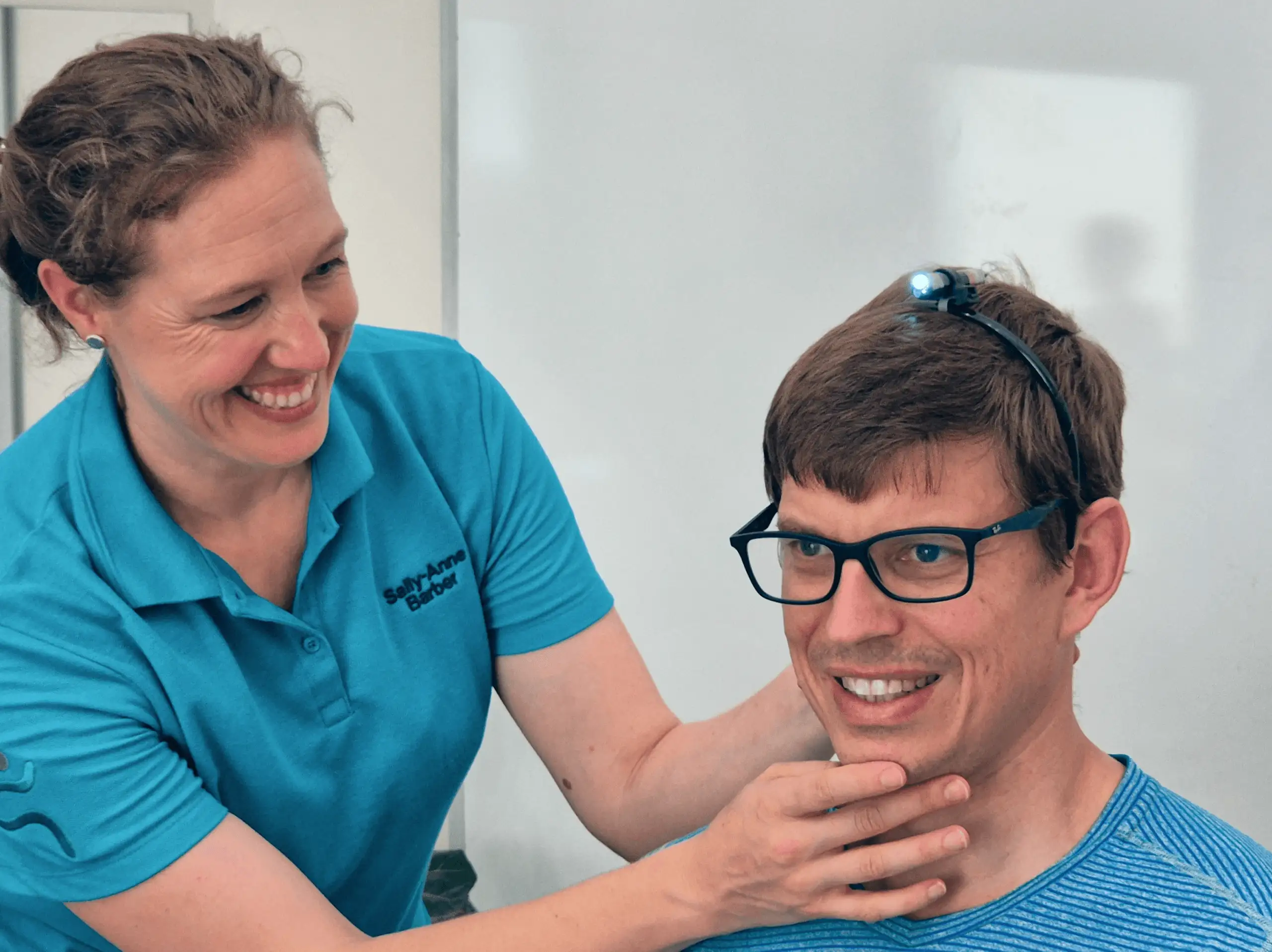
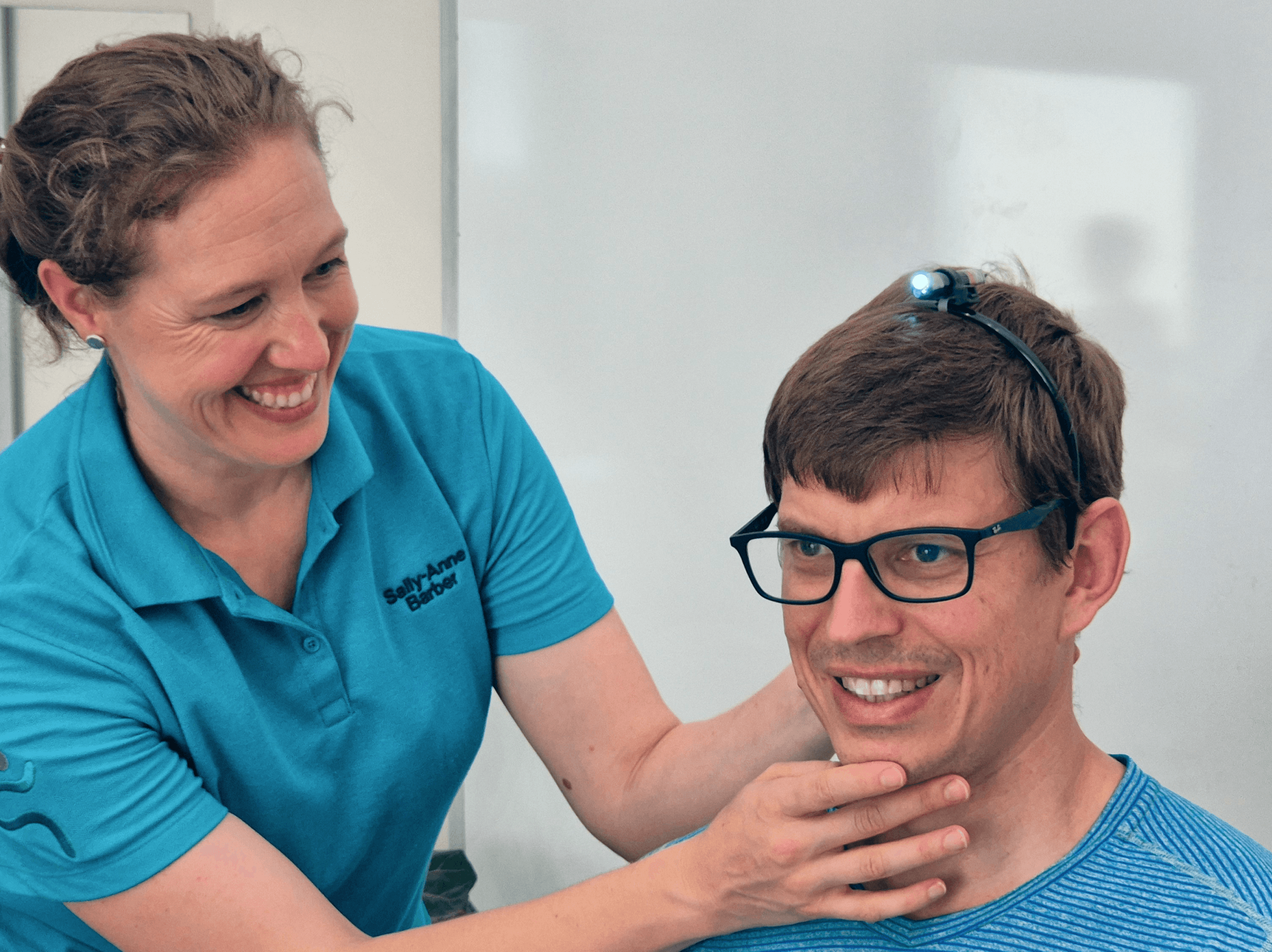
Concussion rehabilitation integrates you back into your life by addressing your physical symptoms while allowing space for your body to adapt and recover.
Concussion Rehabilitation
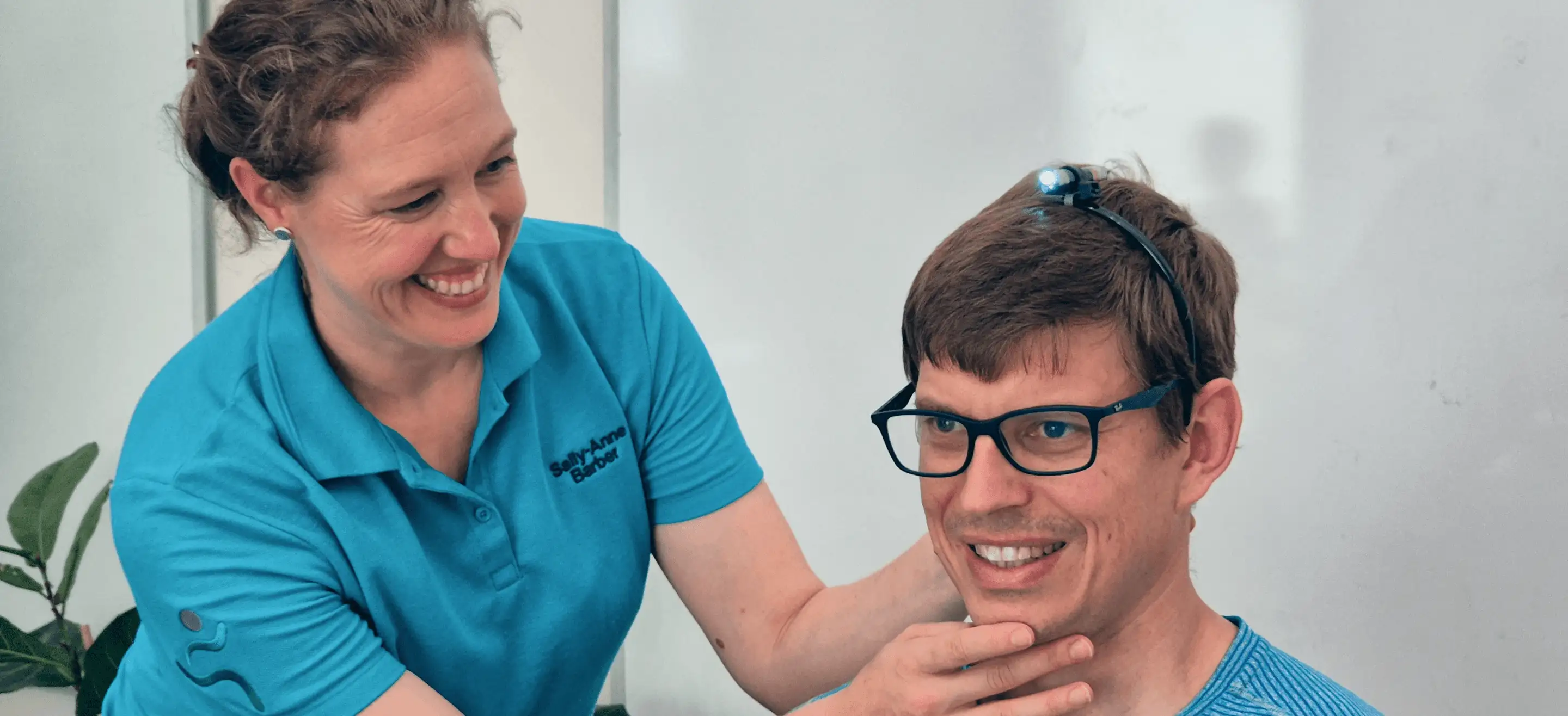
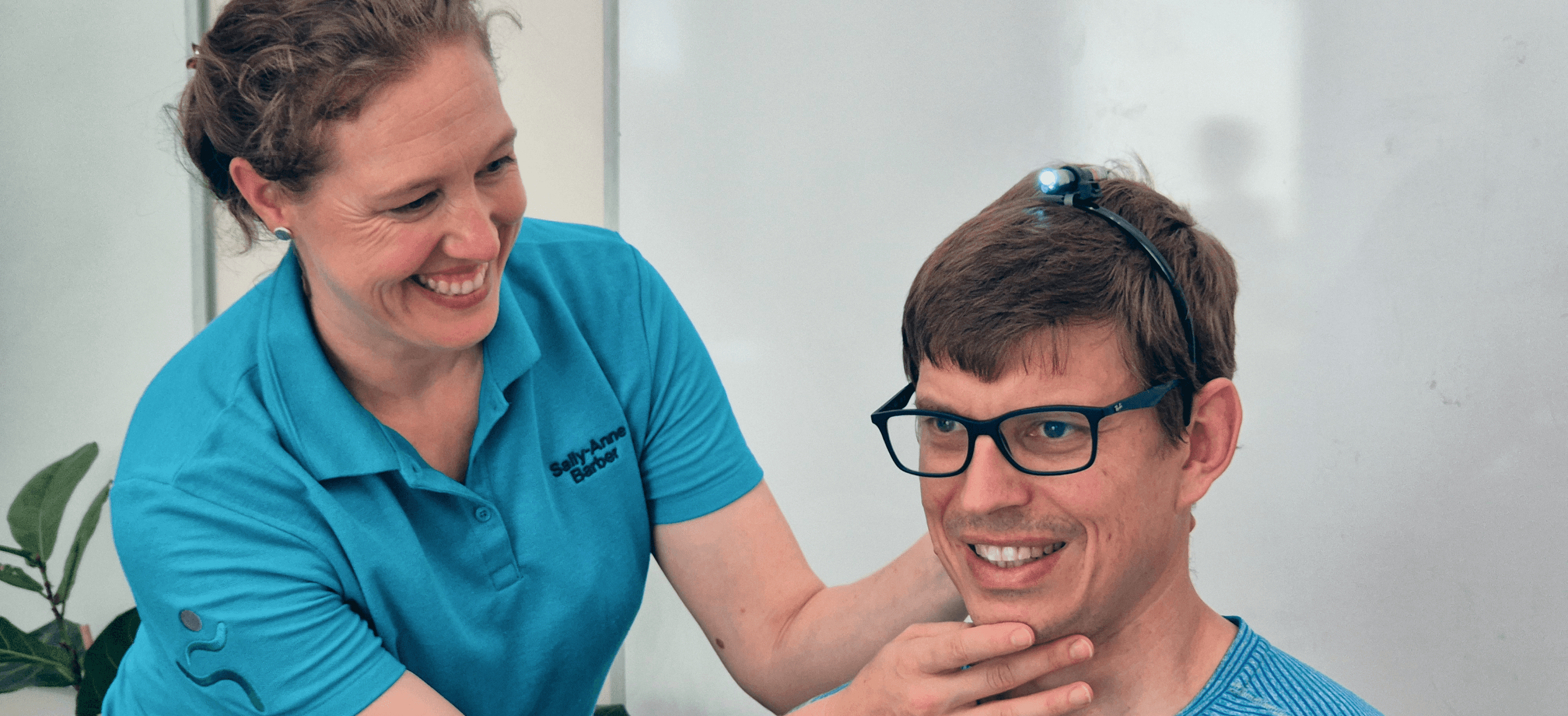
Concussion can affect far more than just the head - impacting energy levels, concentration, memory, sleep, mood, balance, and daily function. We provide comprehensive concussion assessment and rehabilitation to guide you safely through recovery.
When should you get a concussion assessed?
We recommend that every concussion get assessed. Most patients fully recover within two weeks after injury. However, if symptoms continue beyond this period further assessment and rehabilitation is recommended.
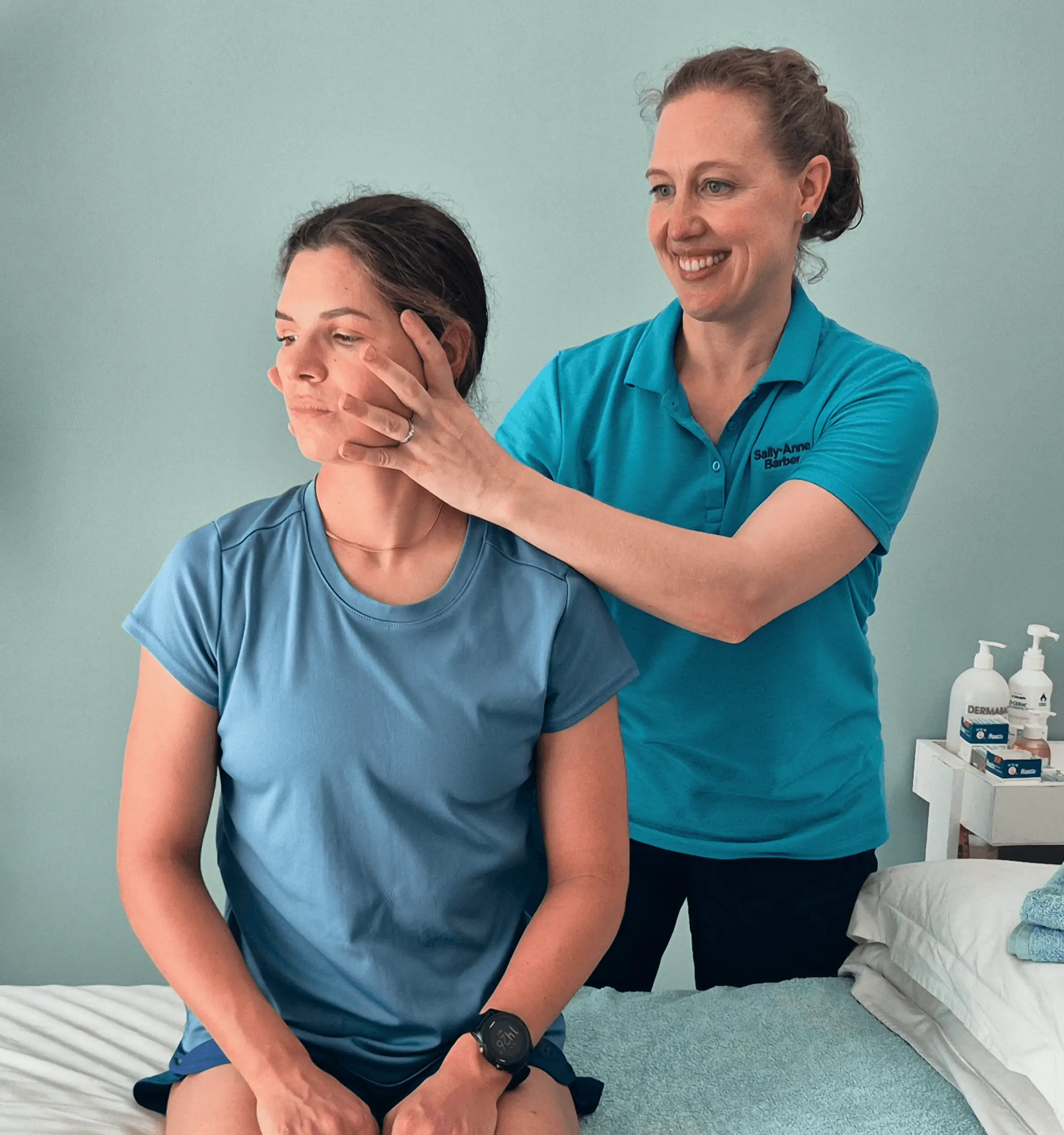
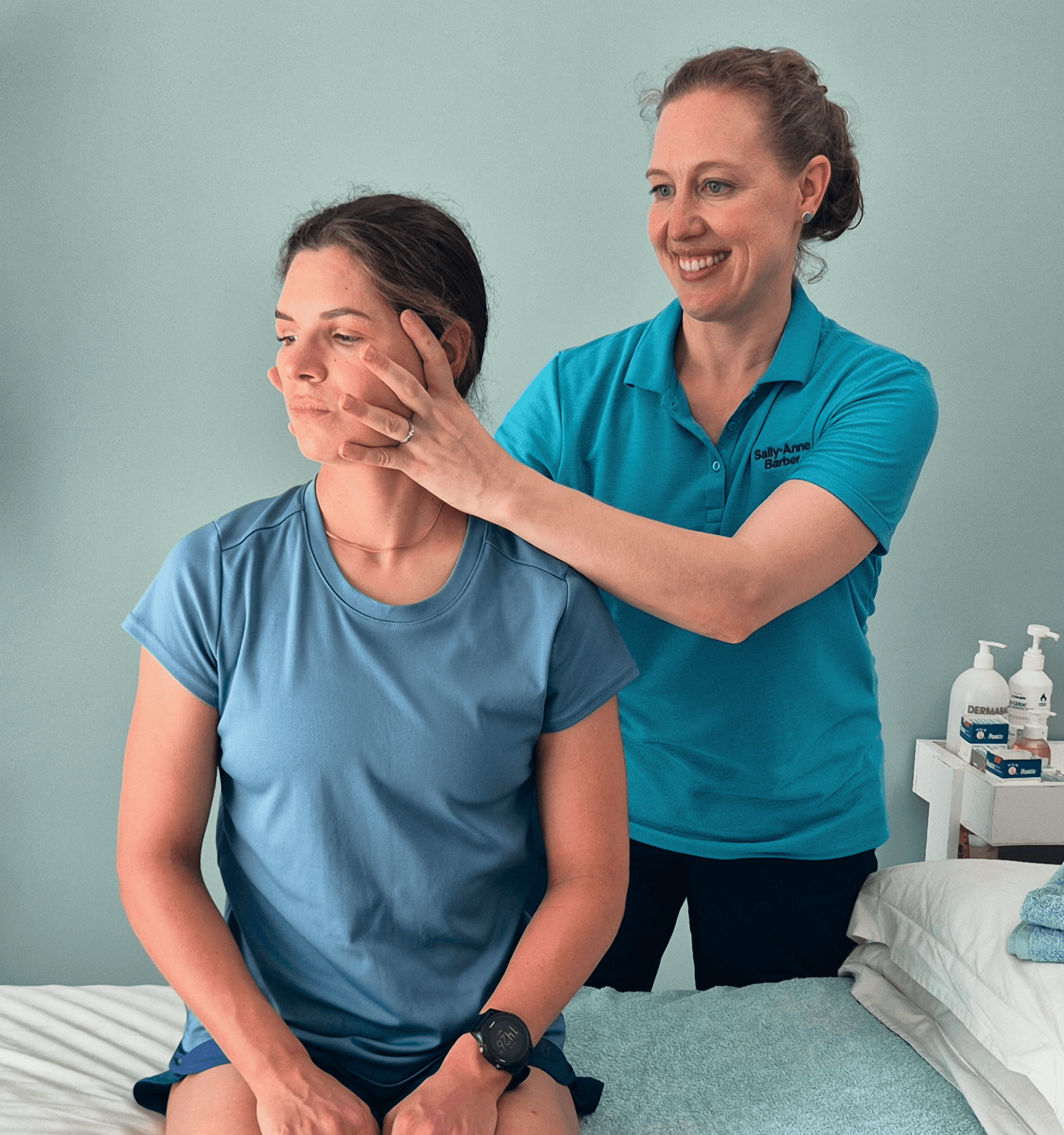
Early evaluation helps identify if the brain is having integration issues between the vestibular (balance), ocular (eyes) and cervical (neck) regions . Addressing these areas early can possibly prevent a longer recovery or the development of post concussion syndrome.
Who We Help
Who is Concussion Care For?
We provide concussion care for
Any direct or indirect head trauma
Sports related head injuries
Falls or Motor Vehicle accidents
Persistent or Post Concussion Syndrome
Ongoing dizziness, headaches or whiplash related symptoms
Our Approach
A Whole-Body Approach to Recovery
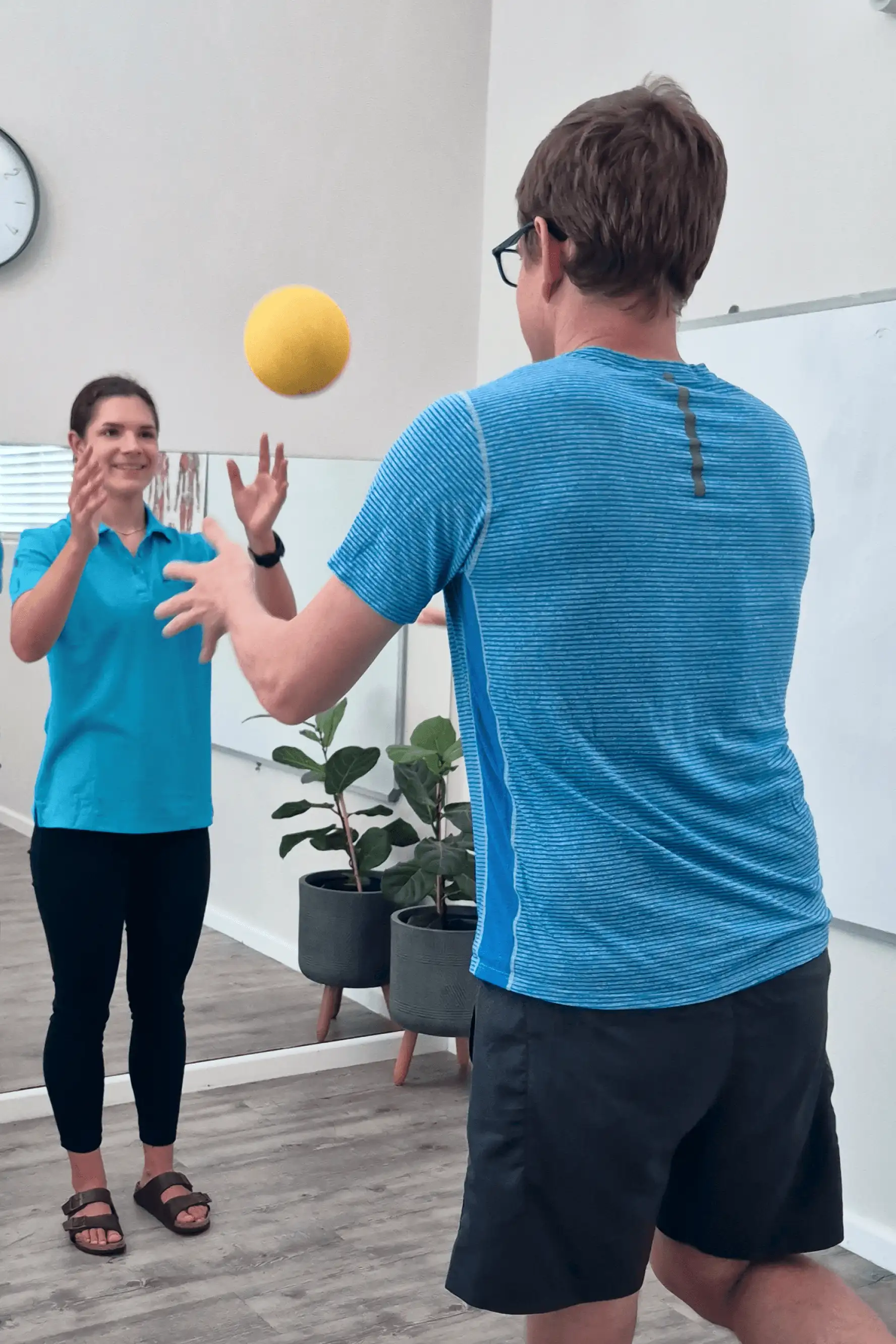
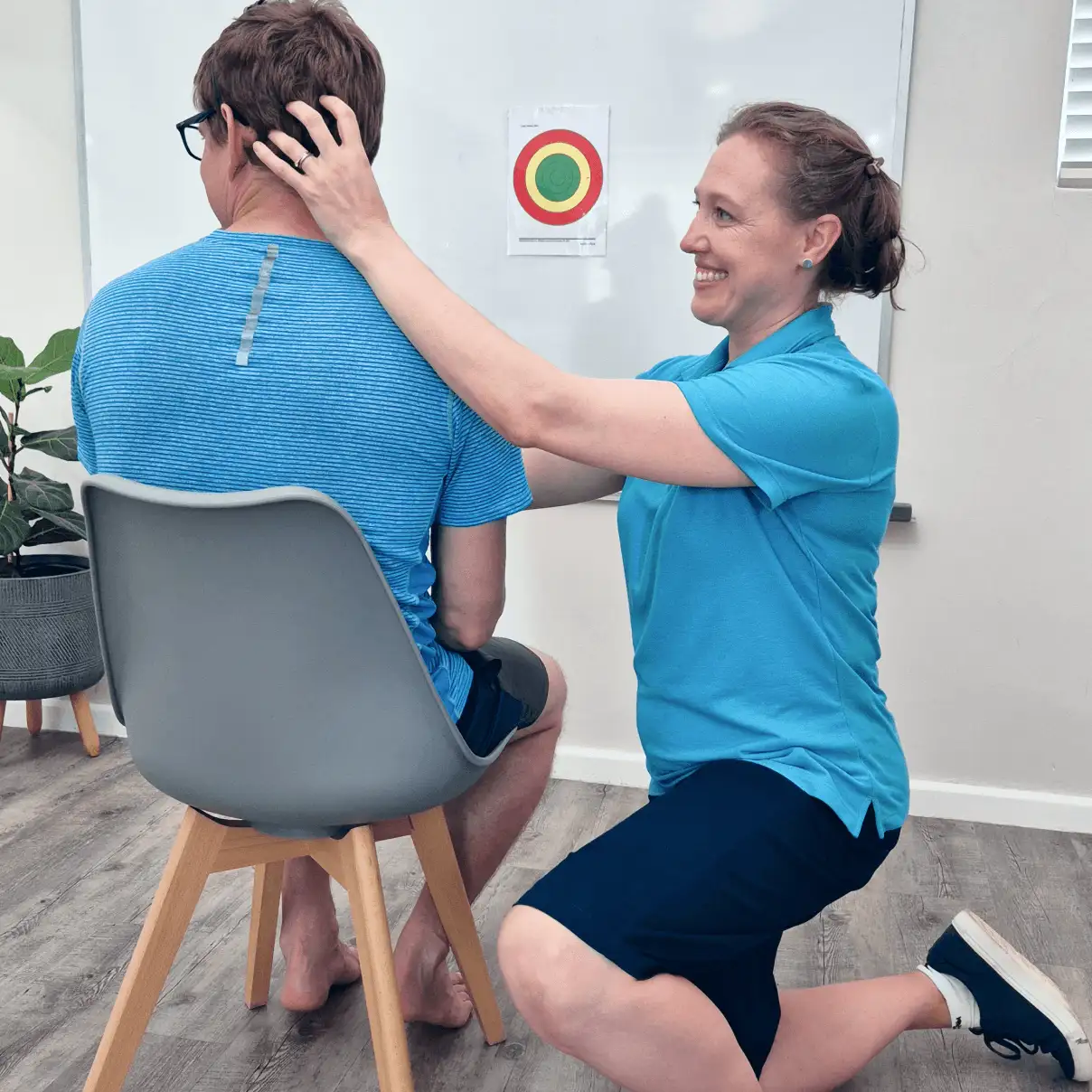
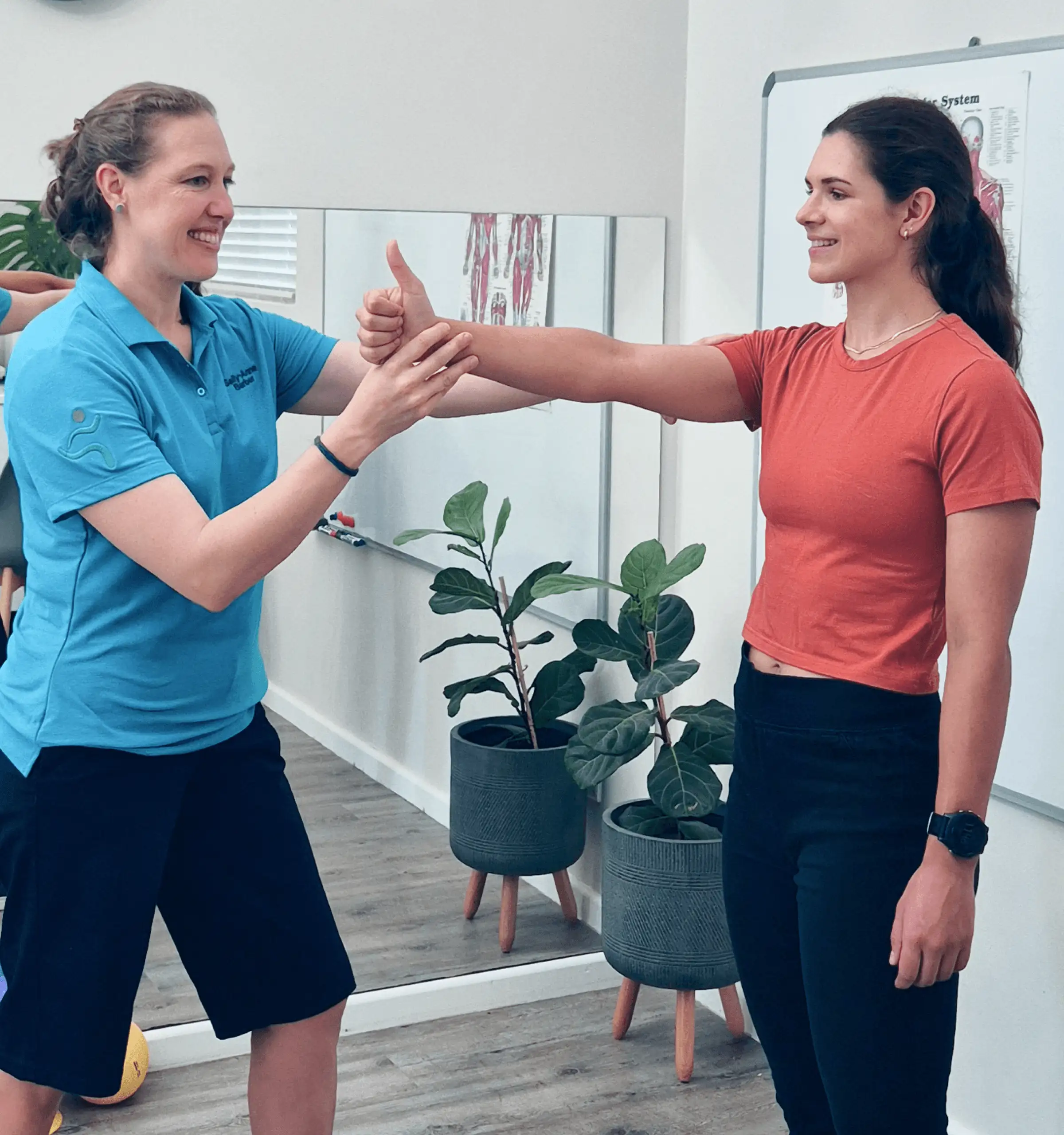
Concussion is complex and each one is unique and recovery is not always straightforward. Our concussion rehabilitation focuses on understanding how the different systems are affected, keeping them in context of you and your life and supporting you through your recovery in a safe and structured way.
Evidence-based
Treatment is personalised and evidence-based, addressing physical, neurological, and lifestyle factors that may contribute to ongoing symptoms.
Flexible
Care is available both in-person and online, allowing us to support patients across South Africa.
What an Assessment May Include
Assessment may explore:
Vestibular function (balance and dizziness)
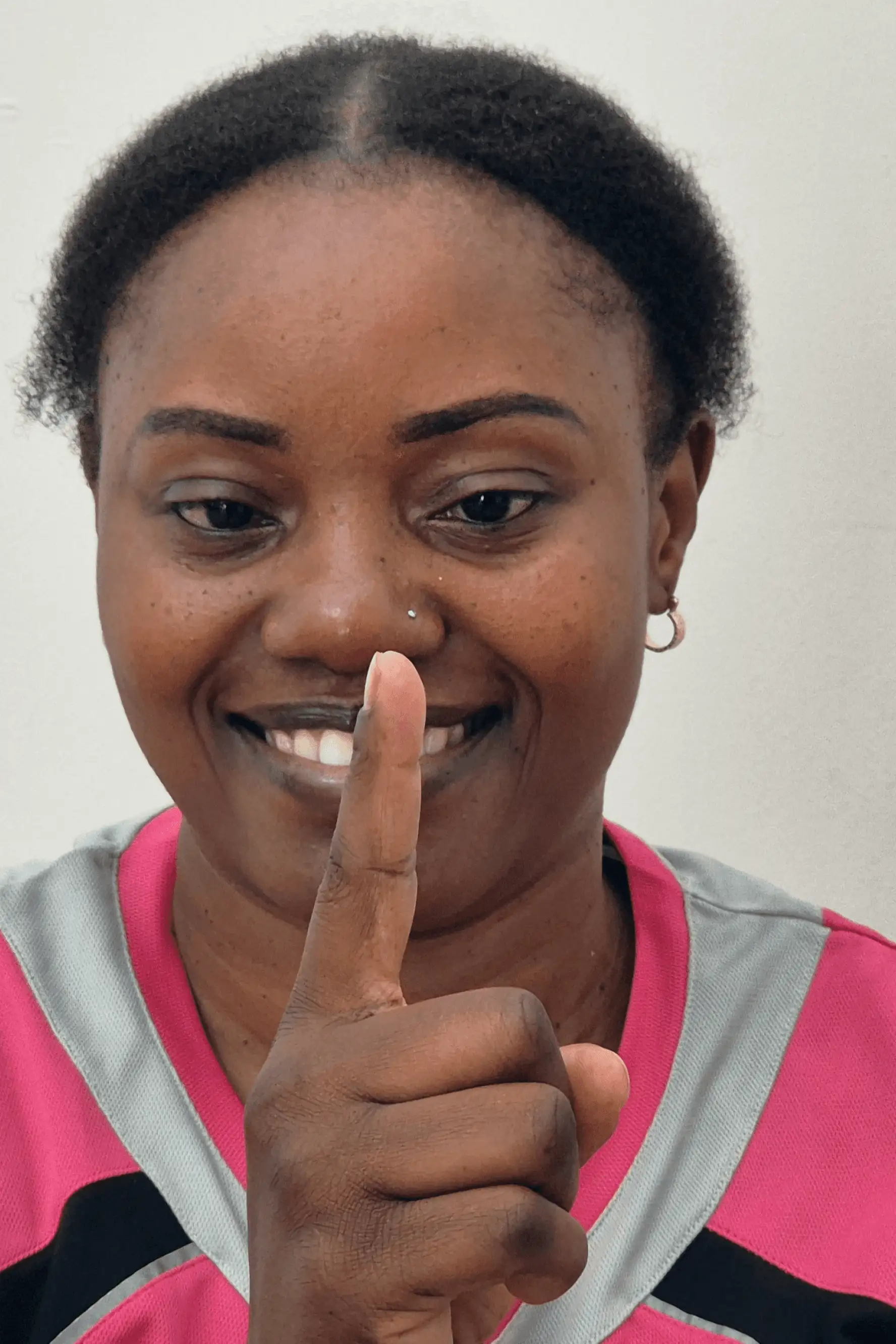
Ocular and Visual tracking systems
Cervical Spine (neck) function
How the brain integrates all of these sensory components
Exercise Tolerance
Symptom pattern and support
Daily activity tolerance (Functional retraining focusing on return to school/work and sport)
The goal is to identify which system needs support so that treatment can be targeted and effective.
What Makes This Care Different
Get Support for Concussion Recovery
If you’ve recently experienced a concussion or continue to experience symptoms after a head injury, a professional assessment can help guide your recovery.